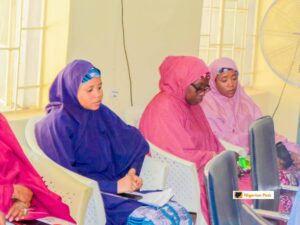
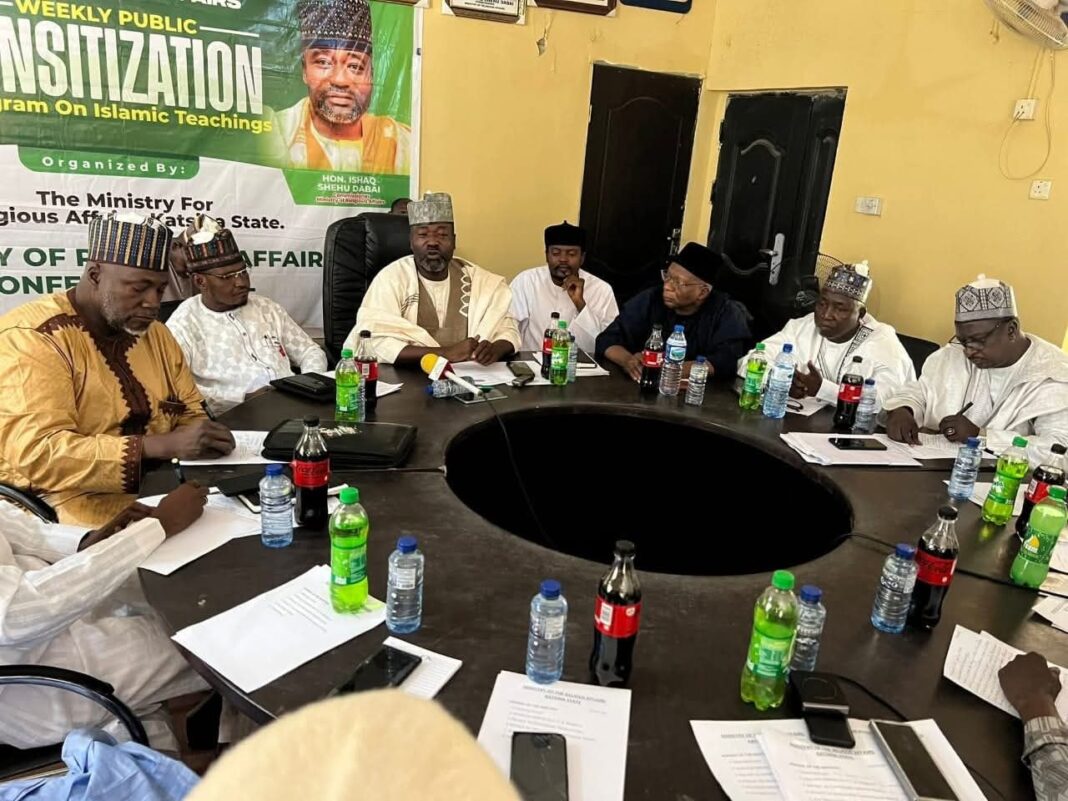

The Katsina State Government has inaugurated special committees to oversee a planned mass wedding for 1,000 women, with a strong focus on widows affected by insecurity.
The initiative, coordinated by the Ministry of Religious Affairs, marks the first time the state is organising a large-scale marriage programme specifically targeting widows, many of whom lost their spouses due to security challenges in parts of the state.

Alhaji Ishaq Shehu Dabai
Speaking at the inauguration, the Commissioner for Religious Affairs, Ishaq Shehu Dabai, said the programme is designed to address social challenges, support vulnerable women, and promote stable family life in line with Islamic teachings.
He commended Governor Dikko Umaru Radda for backing the initiative, describing it as a compassionate intervention aimed at improving the welfare of the less privileged.
According to the government, the programme seeks to provide long-term support for unmarried women—particularly widows—by facilitating marriages with responsible partners who can help care for them and their children, thereby improving their living conditions and ensuring protection and stability for affected families.
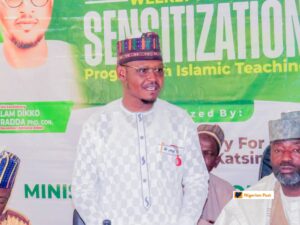
Dr. Usman Abu Ammar
Also speaking, the Commander-General of the Katsina State Hisbah Board, Dr. Usman (Malam Abu Ammar), highlighted the importance of marriage in Islam, noting that it remains a fundamental institution for promoting moral values and social harmony.
The committees set up for the exercise have been divided across the three senatorial zones—Katsina, Funtua, and Daura—and include government officials, Hisbah representatives, Islamic scholars, and women leaders to ensure effective implementation.
Prominent scholars, including Malam Ahmed Filin Samji and Malam Salisu Abdullahi Bakori, were also in attendance, contributing to discussions on how best to implement the programme.

The government said the initiative forms part of broader efforts to cushion the effects of socio-economic hardship and strengthen social cohesion across communities.
Officials called on residents to support the programme, stressing that collective responsibility and care for vulnerable groups remain essential to sustainable development.