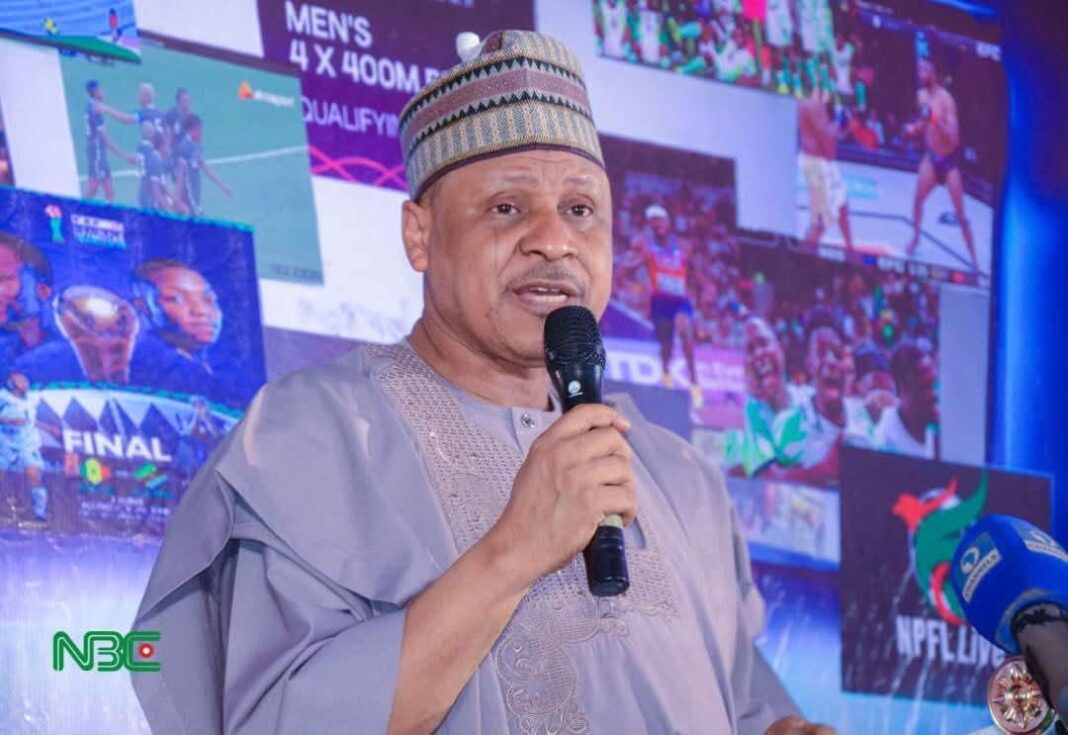

The Federal Government has officially launched the FreeTV Direct-to-Home (DTH) platform, marking a major milestone in Nigeria’s long-delayed Digital Switch-Over (DSO) programme and paving the way for millions of Nigerians to access more than 100 digital television channels without monthly subscription fees.
The platform was unveiled at the headquarters of the Nigerian Communications Satellite (NIGCOMSAT) in Abuja during a ceremony attended by senior government officials, lawmakers and key stakeholders in the broadcasting industry.
Launching the initiative on behalf of President Bola Ahmed Tinubu, the Minister of Information and National Orientation, Mohammed Idris, described the project as a strategic investment in Nigeria’s digital future and a key component of the administration’s Renewed Hope Agenda.
He said the Digital Switch-Over represents more than a migration from analogue to digital broadcasting, describing it as a comprehensive reform of the country’s broadcasting ecosystem that will stimulate economic growth, create jobs and expand opportunities for broadcasters and content creators.
“A fully implemented DSO ecosystem will create jobs, stimulate local manufacturing, expand audience reach, strengthen content production, increase advertising opportunities and unlock new revenue streams for broadcasters and content creators,” the minister said.
According to him, the Federal Government adopted a hybrid broadcasting model combining Digital Terrestrial Television (DTT), Direct-to-Home satellite delivery and digital application-based platforms to maximise nationwide access and innovation. He added that extensive consultations had been held with broadcasters, signal distributors, content producers, regulators, manufacturers and other stakeholders before the launch.
The Minister of Communications, Innovation and Digital Economy, Bosun Tijani, described the DSO as a major milestone in Nigeria’s digital transformation agenda.
He disclosed that the government is simultaneously deploying 90,000 kilometres of fibre-optic infrastructure across the country and plans to launch two additional satellites to strengthen national communications as part of its broader strategy to build a one-trillion-dollar digital economy.
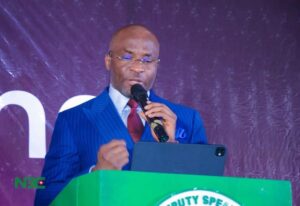
Mr. Charles Ebuebu
In his welcome address, the Director-General of the National Broadcasting Commission, Charles Ebuebu, said the Digital Switch-Over extends beyond technological advancement, describing it as a strategic reform aimed at strengthening Nigeria’s broadcasting ecosystem, improving the speed and efficiency of content delivery and expanding citizens’ access to information.
He noted that the new satellite-first approach would significantly accelerate nationwide deployment while expanding digital broadcasting opportunities.
Managing Director of NIGCOMSAT, Jane Egerton-Idehen, said the satellite-powered platform would help bridge connectivity gaps, strengthen Nigeria’s creative economy and create fresh opportunities for broadcasters, content creators, investors and technology providers.
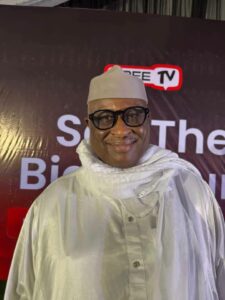
Alhaji Ahmed Tijjani Ramalan
Also speaking, Chairman of the Independent Broadcasting Association of Nigeria (IBAN) and Executive Chairman of Liberty Media Group, Ahmed Tijjani Ramalan, described the FreeTV platform as a breakthrough for indigenous broadcasters.
He said the subscription-free platform would enable local television stations to reach millions of viewers nationwide, significantly increasing their audience and advertising revenue.
According to Ramalan, viewers will receive high-quality digital television and radio signals directly through satellite technology after purchasing a one-time set-top box and satellite dish, eliminating recurring subscription costs.
He added that the platform would particularly benefit rural and underserved communities by ensuring equal access to quality television services regardless of location.
“The greatest advantage for indigenous broadcasters is maximum audience reach, which directly translates into increased advertising revenues and stronger community engagement,” he said.
Representing the National Assembly, Benjamin Okezie Kalu described the launch as a major national achievement demonstrating successful collaboration between government and industry stakeholders.
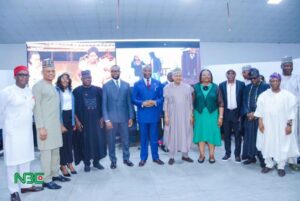
Following the ceremony, the Deputy Speaker, the two ministers and other dignitaries toured the NIGCOMSAT Direct-to-Home Centre, where they inspected facilities supporting the nationwide rollout of the Digital Switch-Over programme.
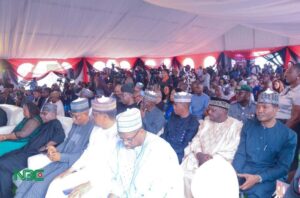
The event attracted major stakeholders from the broadcasting industry, including Chairman of the Broadcasting Organisations of Nigeria, Tony Akiotu, broadcasting executives, regulators, content creators and technology partners.
Nigeria’s Digital Switch-Over programme is expected to align the country’s broadcasting industry with global digital broadcasting standards while improving picture and sound quality, expanding channel availability, promoting indigenous content and creating new opportunities across the media value chain.