


Former Kano State governor and 2023 presidential candidate of the New Nigeria People’s Party, Rabiu Musa Kwankwaso, has formally resigned from the party, citing the need for a “strategic realignment” in Nigeria’s evolving political landscape.
In a statement announcing his decision, Kwankwaso said his resignation takes immediate effect, bringing to an end his role as the party’s national leader. He described the decision as difficult but necessary in view of what he called the current trajectory of national politics.
The former governor expressed appreciation for the opportunity to serve as the NNPP’s presidential flag bearer in the 2023 general elections, as well as for the support he received from party leadership and members across the country. He specifically acknowledged the contributions of the party’s National Chairman, Ajuji Ahmed, the National Working Committee, Board of Trustees, and grassroots structures.
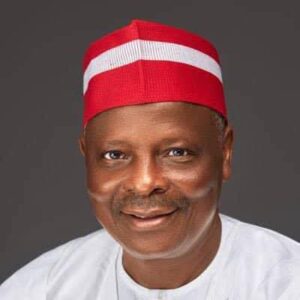
Senator Rabi’u Musa Kwankwaso
Kwankwaso also paid tribute to supporters of the Kwankwasiyya movement, a political bloc he leads, noting their dedication to what he described as a shared vision for national development. He assured that despite his exit, efforts would continue in collaboration with like-minded stakeholders to pursue a more prosperous future for Nigeria.
While the statement did not disclose his next political destination, Kwankwaso hinted at plans to align with another platform he believes offers a stronger opportunity to bring about meaningful change.
Kwankwaso, a prominent figure in northern Nigerian politics, served two terms as governor of Kano State and was previously a senator and minister of defence. He emerged as the NNPP’s presidential candidate in the 2023 elections after defecting from the People’s Democratic Party, bringing with him a large following under the Kwankwasiyya movement.
Under his candidacy, the NNPP gained significant visibility and electoral strength, particularly in Kano State where the party secured key victories. His departure is therefore expected to have implications for the party’s structure and influence, especially in the North-West region.
Political analysts say the move could signal the beginning of another round of high-level defections and alliances ahead of future electoral contests, as key actors reposition themselves within Nigeria’s dynamic multi-party system.