

By Fasaha Stream News Desk
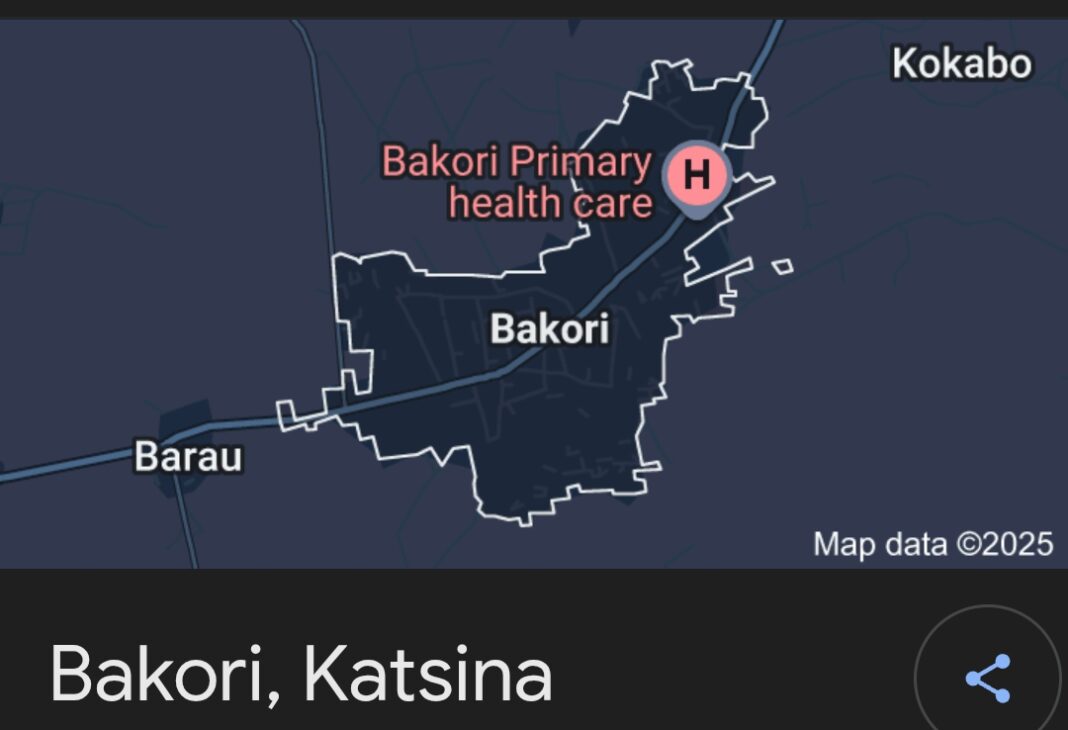
Bakori, Katsina State – November 1, 2025
Controversy has erupted in Bakori Local Government Area following the circulation of a document purportedly issued by the Katsina State Political Strategy and Implementation Committee, listing “critical stakeholders” from the local government.
The document, which surfaced on Friday, bears the title “List of Some Selected (Critical) Stakeholders – Bakori Local Government Area.” It contains the names of several prominent figures, including:
1. Prof. Ahmed Muhammad Bakori, Honourable Commissioner and LGA Stakeholders’ Chairman
2. Hon. Abubakar Musa Barde, Chairman, Bakori Local Government Council
3. Hon. Abdurrahman Ahmed, Member, Katsina State House of Assembly
4. Hon. Khalil Nur-Khalil, Economic Adviser to the Governor
5. Hon. Ali Mamman Maichitta, State Political Appointee
6. Hon. Mariya Abdullahi and
7. Hon. Amiru Tukur Idris, both former Members of the House of Representatives
As well as other notable stakeholders, including Dr. Abduljabar Guga, Alhaji Faruk Tsiga, Alhaji Haruna Mile 12, Alhaji Abdullahi Belio Kabomo, and Alhaji Rabi’u Gambo Bakori.

The list has stirred unease after it was observed that some individuals previously recognized as key stakeholders were excluded, prompting speculation about internal political realignments within Bakori’s political structure.
In an interview with Fasaha Stream correspondent, Malam Ahmed Abdulkadir, who was among those removed from the new list, confirmed that both the Commissioner for Livestock Development, Prof. Ahmed Muhammad Bakori, and the Bakori Local Government Chairman, Hon. Abubakar Musa Barde, denied authoring or approving the document.
According to Ahmed Abdulkadir, the commissioner — who also serves as Chairman of the Bakori Local Government Stakeholders Committee — told him that the list was sent from Government House Katsina and did not originate from the local level.
“Both the commissioner and the council chairman assured me that the list did not emanate from them,” Ahmed Abdulkadir said. “The commissioner explained that it was sent directly from Government House Katsina.”
The absence of any stated criteria for drawing up the list has further deepened the controversy. Observers have questioned what parameters were used to determine inclusion or exclusion, noting that the omission of Malam Ahmed Abdulkadir, who currently serves as Board Chairman, Katsina State Radio and Television Services, is particularly puzzling.
Given Abdulkadir’s notable contributions to the success of the incumbent administration during the 2023 general elections—especially his role as Director of Media in the Katsina State APC Campaign Council—many expected him to feature prominently among the critical stakeholders. His ongoing leadership at the helm of the state’s public media agencies also underscores his continued relevance within the government’s strategic communication framework.
But questions now abound over the authenticity and official status of the circulated document, which bears no letterhead, signature, or reference number—elements expected of any formal communication from Government House.
Analysts argue that it would be highly irregular for such a politically sensitive document to emerge from the seat of government without official identifiers, suggesting it may be an unauthorized draft, leaked memo, or entirely unofficial compilation.
As of press time, there has been no clarification from either the Katsina State Political Strategy and Implementation Committee or Government House Katsina regarding the document’s source, intent, or legitimacy.
Political observers warn that incidents like this could erode trust among local stakeholders and complicate coordination within the ruling party, especially as political mobilization quietly gathers pace ahead of the 2027 general elections. They emphasize that transparency, inclusivity, and open communication will be critical to preserving unity and public confidence in the government’s grassroots political structures.