

By Sadis Bara’u
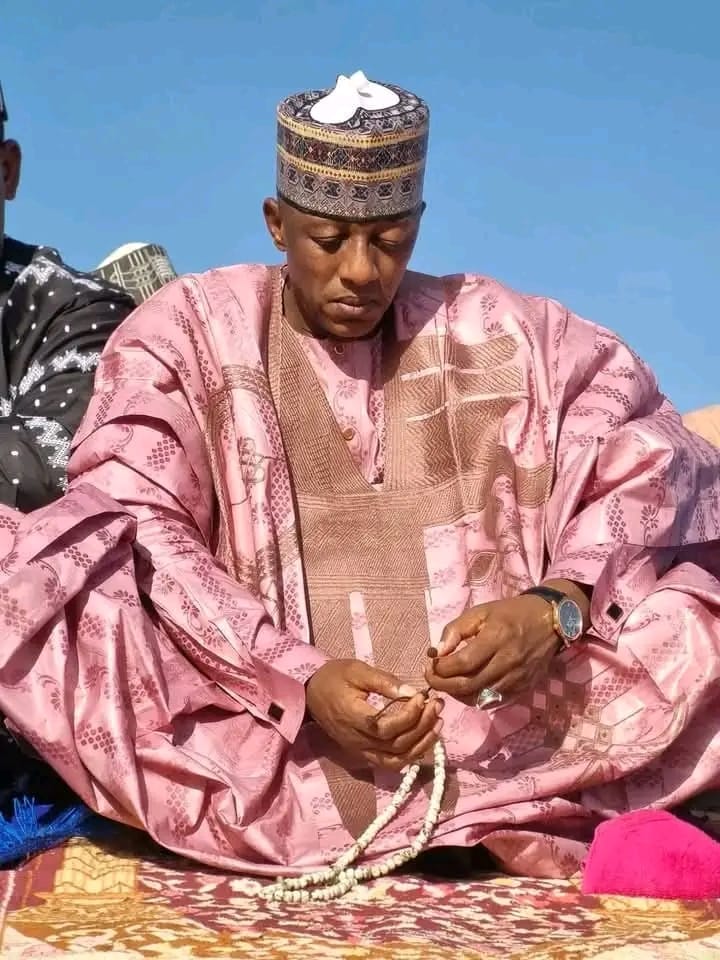
The political landscape of the Funtua Senatorial Zone witnessed a significant development during the recent Sallah period, as Alhaji Hamza Sule, popularly known as the Wamban Faskari, signaled his interest in the senatorial race.
His entry into the contest has drawn attention across the zone, with observers noting that it could reshape ongoing political calculations, including those surrounding the incumbent lawmaker.
Alhaji Hamza Sule, often described by associates as reserved and soft-spoken, made his intention known in a manner that has since generated discussion among party members and constituents. While opinions differ, some political watchers believe his emergence introduces a new dynamic into what had previously been a relatively quiet race.
In recent years, political discourse in the Funtua zone has reflected shifting alliances and evolving voter sentiments. Analysts point to changing political trends at both state and national levels as factors influencing local engagement and expectations.
Observers of the Wamban Faskari’s declaration have also highlighted the strategic nature of its timing and setting, suggesting it reflects an understanding of grassroots mobilization and constituency outreach. Some have drawn parallels with past primary contests in the state where strong local support influenced outcomes.
In his early engagements, the aspirant has emphasized inclusivity and respect for party processes. He has also expressed confidence that all aspirants will be given a fair opportunity to participate, a position that aligns with broader expectations of internal party democracy.
Political analysts generally agree that the stance of the Katsina State Government, under Governor Dikko Radda, will be closely watched. However, there has been no official indication that the administration intends to interfere with the rights of aspirants to contest or with the conduct of party primaries.
Alhaji Hamza Sule’s support base is believed to be rooted in his home local government and extends across parts of the senatorial district. His previous role as Commissioner for Environment has been cited by supporters as part of his public service experience, while others point to his accessibility as a factor in his growing political profile.
Within the All Progressives Congress (APC), his relationship with party structures is described as cordial by some stakeholders. Analysts, however, note that as the contest evolves, engagement with a broad range of party leaders and stakeholders across the zone will be critical for any aspirant seeking the party’s ticket.
Political observers also emphasize the importance of continued consultation with party executives and key influencers to promote unity and strengthen internal cohesion ahead of the primaries.
Supporters of the Wamban Faskari often reference his involvement in community-focused initiatives, including youth support programmes, educational assistance, and humanitarian interventions. While such contributions are widely acknowledged in some quarters, their scale and impact remain part of ongoing public discussion.
Looking ahead, stakeholders suggest that aspirants in the race will need to articulate clear policy positions and development plans that address the needs of the Funtua Senatorial Zone. Issues such as voter participation, economic development, and security are expected to feature prominently in campaign conversations.
As political activities gather momentum, analysts also highlight voter apathy as an area of concern, noting that increased civic engagement will be essential to strengthening democratic participation in the zone.
With the contest still in its early stages, observers say the race is likely to involve both visible political competition and behind-the-scenes negotiations typical of party primaries.
Sadis Bara’u writes from Kankia, Katsina State.