
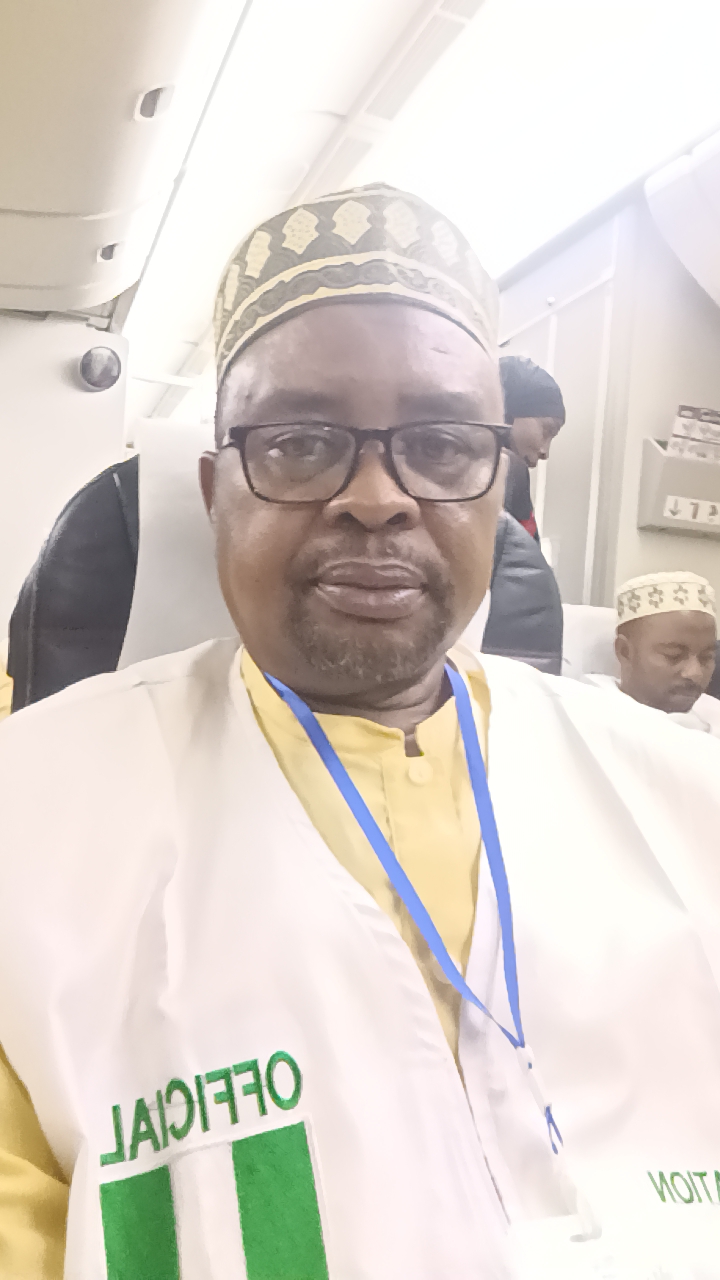

When I first performed Hajj during the 2006/2007 season, the experience was spiritually fulfilling but operationally demanding. Pilgrims relied heavily on paper documents, manual coordination, physical directions, and face-to-face communication. Accommodation identification, movement between holy sites, locating missing pilgrims, and accessing services were often difficult, especially for elderly pilgrims.
Nearly two decades later, the Hajj operation has undergone remarkable transformation through massive infrastructural expansion, digital innovation, and administrative reforms introduced by the Kingdom of Saudi Arabia and supported by national Hajj authorities such as the National Hajj Commission of Nigeria (NAHCON).
One of the most significant developments in recent years is the introduction of the Nusuk Card system. The Saudi Ministry of Hajj and Umrah now requires every pilgrim to carry a personalized Nusuk card containing identification and service information. The card serves as an official access permit to key holy sites such as Makkah, Mina, Arafat, and Muzdalifah, helping authorities control overcrowding and prevent unauthorized persons from infiltrating pilgrimage areas.
In the latest phase of reforms, NAHCON disclosed that tens of thousands of Nigerian pilgrims have already been transported successfully to Makkah with their Nusuk cards fully issued and activated before departure from Madinah.
Another groundbreaking development is the deployment of GPS technology to digitally map pilgrims’ accommodations in Makkah. This innovation represents a major shift from the situation that existed during the 2006/2007 Hajj season, when pilgrims frequently struggled to locate hotels and camps, especially after prayers or movement during peak congestion periods.
The GPS mapping system now enables easier identification of pilgrims’ residences, improves emergency response coordination, and assists officials in quickly locating missing pilgrims or directing them back to their accommodations. This technology significantly reduces confusion, stress, and delays, particularly for elderly pilgrims and first-time visitors.
Beyond technology, the physical transformation of the holy sites themselves has been extraordinary. The expansion of Masjid al-Haram, modernization of transportation networks, construction of multi-level Jamarat bridges, improved tunnel systems, expansion of Mina tent facilities, and improved cooling systems have all enhanced pilgrims’ safety and comfort.
In the past, movement between Mina, Muzdalifah, and Arafat was physically exhausting and often chaotic. Today, crowd management systems, organized transport arrangements, designated movement schedules, and increased surveillance have greatly reduced risks associated with congestion.
Healthcare services have also evolved considerably. Modern Hajj operations now feature advanced medical response systems, mobile clinics, digital health monitoring, emergency evacuation arrangements, and improved coordination among medical teams.
Communication has equally improved. During earlier Hajj operations, pilgrims depended mainly on physical notices and verbal announcements. Today, mobile communication, internet access, digital mapping, instant messaging, and real-time updates allow pilgrims and officials to coordinate activities more effectively.
For Katsina State, these improvements present important lessons for the ongoing 2026 Hajj operation under the leadership of the Amirul Hajj, Barrister Ahmad Usman El-Marzuq, appointed by Dikko Umaru Radda.
A careful review of the 2025 Hajj Committee report reveals several operational areas requiring further improvement. These include extending pilgrims’ enlightenment programmes (Bita), improving visa processing coordination, strengthening camp security, securing better hotel facilities closer to Haram, improving internet connectivity in accommodations, enhancing medical service coordination, and ensuring stronger supervision of feeding and transportation arrangements.
The 2025 report also emphasized the need for better coordination between state and local government preachers, improved supervision templates, and earlier screening and training of guides and officials. These recommendations are critical because modern Hajj management increasingly depends not only on infrastructure but also on professional coordination, discipline, and timely information management.
The deployment of modern technologies such as Nusuk cards and GPS accommodation mapping demonstrates that Hajj administration is becoming increasingly data-driven and technology-oriented. Therefore, state delegations and welfare boards must equally modernize their operational strategies to align with these global changes.
As someone privileged to witness Hajj operations from 2006/2007 to the present era, the difference is profound. What once depended largely on manual coordination is now increasingly supported by digital systems, real-time tracking, smart identification tools, and sophisticated crowd management technologies.
Yet despite these modern improvements, the spiritual essence of Hajj remains unchanged — submission to Allah, sacrifice, patience, discipline, unity, and devotion. Technology may make the journey easier, but the true success of Hajj still lies in sincerity of worship and conduct.
For pilgrims from Katsina State and Nigeria as a whole, the challenge now is to combine these modern conveniences with proper spiritual preparation, discipline, and responsible conduct so that the pilgrimage becomes not only easier, but more rewarding and meaningful.