
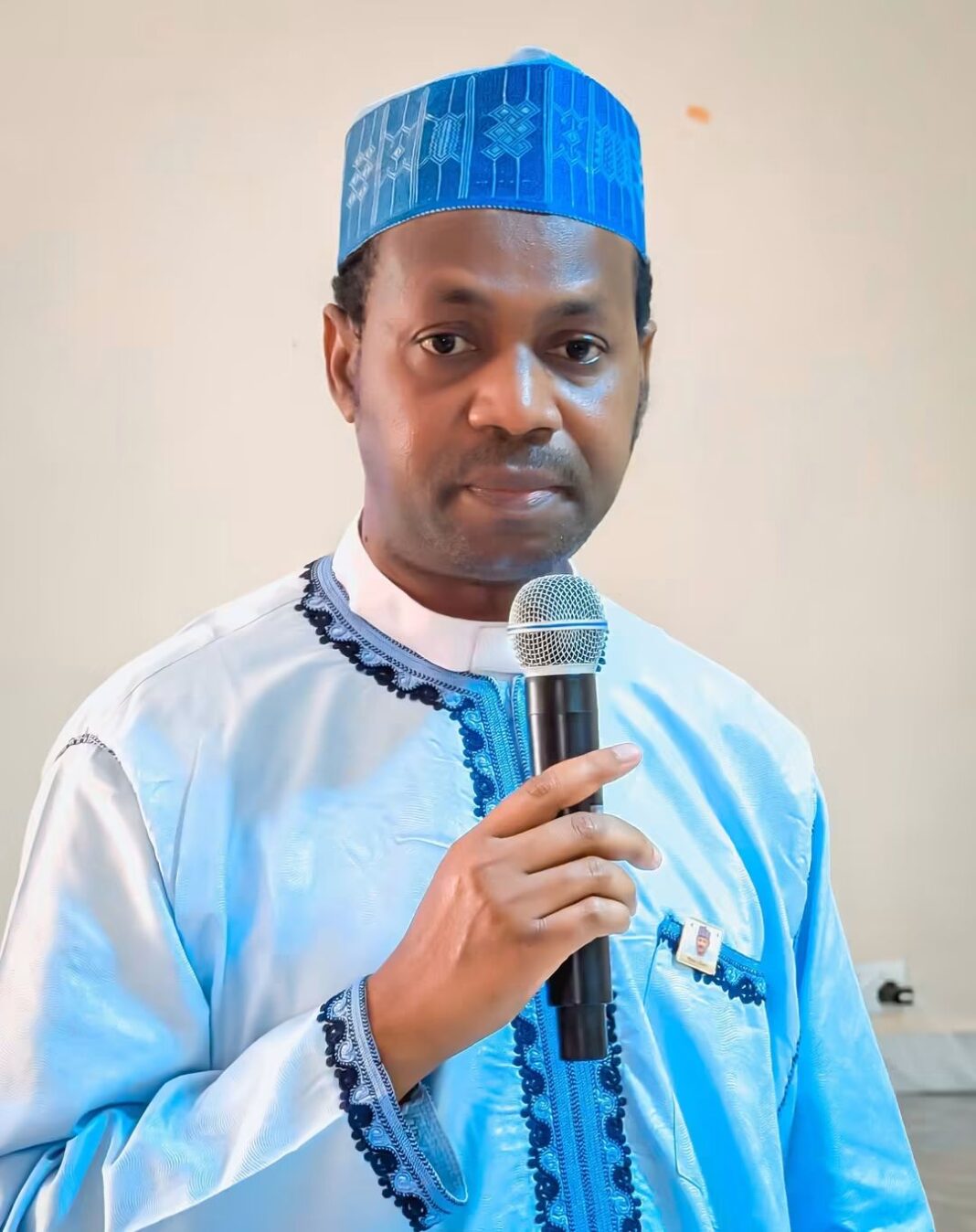

The Katsina State Commissioner for Local Government and Emirate Affairs, Malam Bishir Tanimu Gambo, has warned local government officials that spending outside approved budgetary provisions is a criminal offence punishable under the law.
He gave the warning on Monday at a one-day workshop on budget implementation and performance organised by the ministry at Katsina Guest Inn Conference Hall for resident inspectors and local government budget officers.

The workshop was organised by the Office of the Director of Budget, Malam Babangida Aminu Mashi, to strengthen participants’ understanding of budget preparation, implementation and compliance, particularly under the International Public Sector Accounting Standards (IPSAS).
Gambo urged participants to ensure that all planned expenditures for the 2027 financial year were captured in their respective budget projections.
“We assembled you all here, including representatives of the ministry, to highlight some important sections, especially with regard to IPSAS, which is now the new method of budget formulation,” he said.
The commissioner disclosed that the ministry had received a letter, also copied to other state institutions, including the House of Assembly Appropriation Committee, raising concerns over the omission or incorrect coding of some economic codes in the budget.
He directed the establishment of a committee to examine the observations raised, while questioning the legal standing of those who submitted them, whom he said were no longer employees of either the state or local governments.
Gambo also warned local government councils against further dealings with such bodies, directing them to channel any concerns or disagreements through the ministry.

In his remarks, the Special Adviser on Local Government Inspectorate, Hon. Lawal Rufa’i Safana, said the workshop was designed to involve officers directly responsible for budget implementation in local government administration.
He said local government councils were respecting their budgets and operating within approved provisions.
Safana stressed that staff productivity was essential to both individual welfare and institutional development, urging participants to discharge their responsibilities diligently.
He also challenged the perception that local government employees lacked the capacity of their counterparts in state and federal establishments, arguing that competence depended on individual skills and performance rather than the level of government an employee served.
“The moment you call a local government staff member and he sits to give you a detailed explanation of the work, you will realise he may even be better than some state or federal staff. What is in it? Is it not capacity?” he said.

The State Auditor-General for Local Government, Alhaji Shu’aibu Aliyu, said the workshop was intended to address challenges affecting the implementation of local government budgets.
He urged financial managers to develop a proper understanding of the meaning and application of the budget framework to ensure effective implementation.
The lead consultant at the workshop, Dr. Salisu Ladan, commended Governor Malam Dikko Umaru Radda for granting local government councils autonomy to manage their affairs without interference.
He also praised the ministry for insisting on proper project execution and compliance with due process.
Ladan said the workshop represented an effort to move local government budgeting away from previous practices in which external parties prepared budgets for councils.
He challenged budget officers to assess the improvements in their work by comparing the preparation of the 2026 budget with the processes used for the 2023 and 2024 budgets.

Other officials present included the Special Adviser on Treasury Single Account, Dr. Sabuwa, the Permanent Secretary and directors of the ministry.