

The Katsina State Executive Council has approved a number of policy measures and projects aimed at strengthening the education sector, expanding digital governance, improving urban planning and advancing climate action in the state.
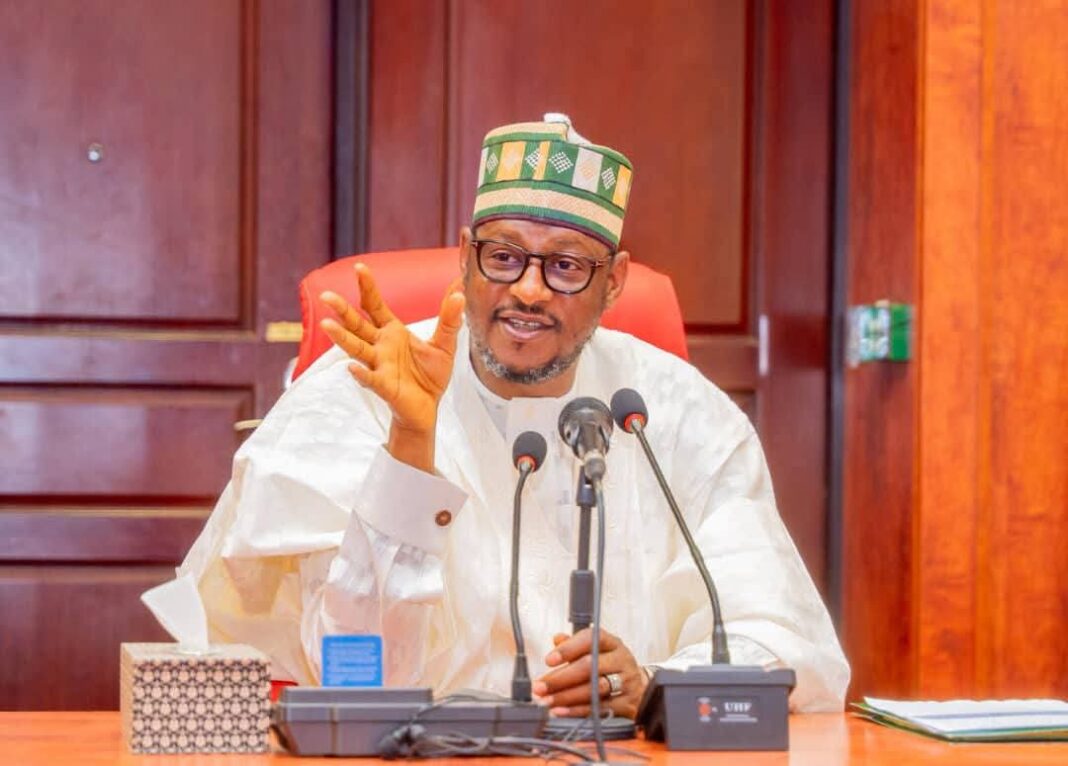
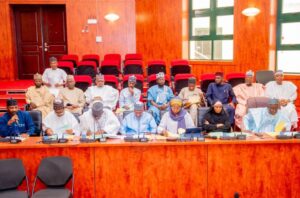
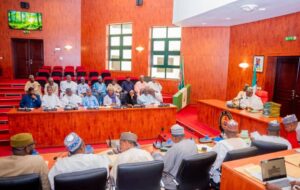
The approvals were granted during the fifth regular meeting of the State Executive Council for 2026 held at the Red Chamber of the General Muhammadu Buhari House in Katsina and presided over by Governor Dikko Umaru Radda.
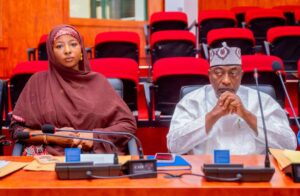
Commissioner for Basic and Secondary Education, Yusuf Suleiman Jibia
Briefing journalists after the meeting, the Commissioner for Basic and Secondary Education, Yusuf Suleiman Jibia, said the council approved a scholarship programme for outstanding students across the state. According to him, the initiative will sponsor the top 50 students from each of the 34 local government areas who performed excellently in the WAEC or NECO examinations.
He said the programme will benefit 1,700 students, who will study courses such as Nursing and Health Sciences, Engineering, Information and Communication Technology, Agricultural Sciences and Education in state-owned Colleges of Education, Colleges of Health Sciences and Polytechnics.
Jibia explained that the programme is designed to support talented students from across the state to access higher education and contribute to the development of Katsina.
The commissioner also announced that the council approved the procurement of 3,000 electric motorcycles to be sold at subsidised rates to teachers posted to remote rural communities.
He noted that the initiative is intended to address transportation challenges faced by teachers serving in difficult terrains, improve punctuality and enhance the quality of teaching and learning in rural schools.
Also speaking, the Special Adviser on Health Institutions, Umar Mammada, disclosed that the council approved the establishment of a Computer-Based Test (CBT) centre at the Katsina State College of Nursing Sciences, Katsina.
He said the facility would provide a standard examination environment for students, particularly as most professional and regulatory bodies in the health sector now conduct examinations using computer-based testing.
Mammada added that the centre would also reduce the need for students to travel to private CBT centres outside the institution to sit for examinations.
In another decision, the council approved the implementation of the Katsina State Digital Mapping System, which will integrate development control, planning permits and land titling processes.
Jibia explained that the system would introduce technology into physical planning processes, improve transparency and ensure orderly urban development across the state.
Meanwhile, the Special Adviser on Climate Change, Professor Al-Amin Mohammed, said the council adopted the Katsina State Climate Change Policy and Plan of Action (2025–2030) as the official framework for climate governance in the state.
According to him, the policy provides a structured approach for integrating climate-responsive budgeting and monitoring mechanisms across ministries, departments and agencies.
The policy, he said, is expected to strengthen accountability while ensuring that environmental sustainability is incorporated into government planning and development programmes.
The council noted that the decisions were in line with Governor Radda’s agenda of promoting inclusive governance, educational development, digital transformation and environmental sustainability in Katsina State.
The development was contained in a press statement issued by the Chief Press Secretary to the Governor, Ibrahim Kaula Mohammed.