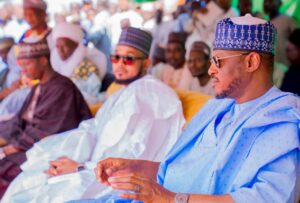
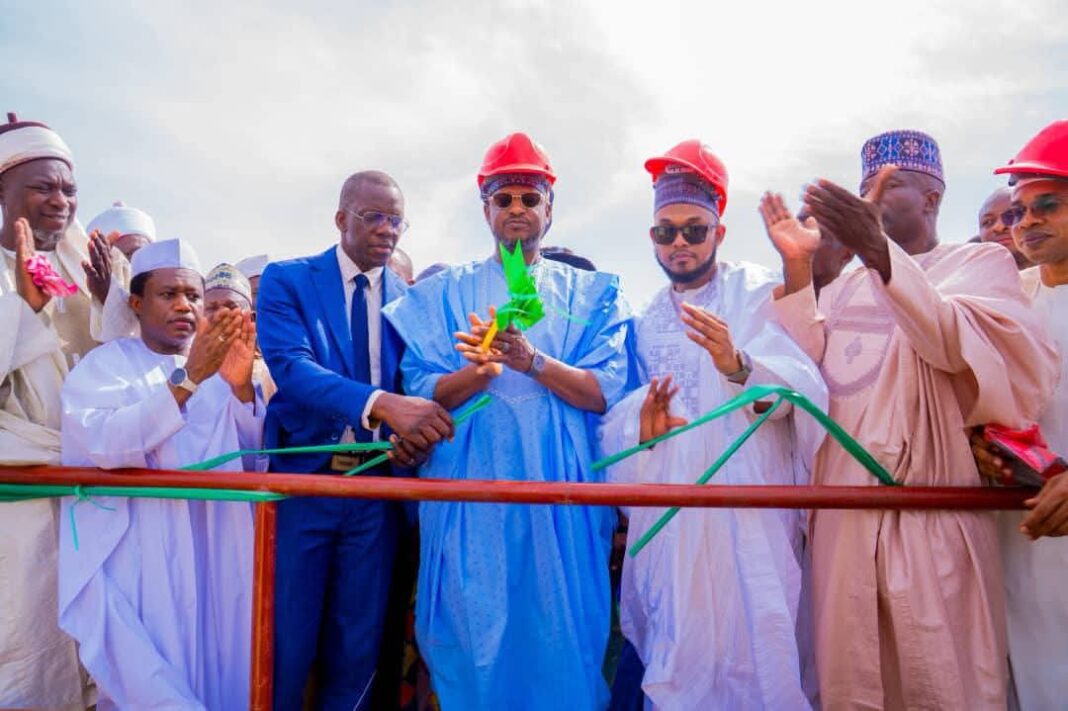

Katsina State Governor, Malam Dikko Umaru Radda, has performed the groundbreaking ceremony for the 1-Megawatt Danja Mini-Hydroelectric Power Project, describing it as a major step toward expanding rural electrification and stimulating economic growth across the state.
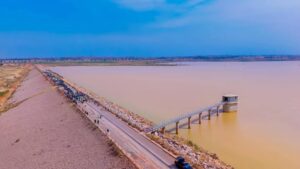
The project, sited at the Danja Dam in Danja Local Government Area, is designed to convert existing water infrastructure into a reliable source of clean and affordable electricity for Danja, Kafur and neighbouring communities.
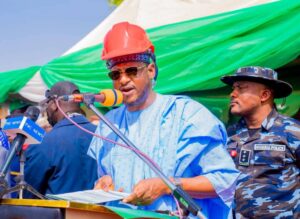
Speaking at the event, Governor Radda said the project marked a turning point for rural development, noting that access to stable electricity would directly improve livelihoods and unlock new economic opportunities. He stressed that reliable power supply was critical to productivity, youth empowerment and improved service delivery in sectors such as agriculture, education and healthcare.
According to the governor, the mini-hydro plant will support farmers by powering irrigation, milling, processing and storage facilities, thereby reducing post-harvest losses, while also enhancing security, commercial activities and social services in the area.
Governor Radda described the Danja project as the first in a broader strategy to harness the state’s water resources for power generation. He disclosed plans to replicate similar mini-hydro projects at other major dams in Katsina State, including Zobe, Jibia, Sabke and Ajiwa, as part of efforts to fight poverty and promote inclusive growth.
He explained that the project is being implemented through a partnership involving the Katsina State Government, Oceans Énergie and the French Treasury, adding that the collaboration aligns with the Electricity Act 2023, which empowers states to play a more active role in electricity generation and distribution.
The governor added that the Danja Mini-Hydro Power Project complements the state’s wider clean energy programme, which includes solar and battery installations for public institutions, the solar hybridisation of the Lambar Rimi Wind Farm, the establishment of a gas hub for LNG and CNG, and the creation of the Ministry of Power, Renewable Energy and Energy Security.
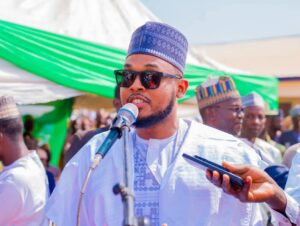
Earlier, the Special Adviser to the Governor on Power and Energy, Dr. Hafiz Ibrahim, described the project as a significant milestone in Katsina State’s energy transition. He said the initiative would provide year-round electricity to Danja, Kafur and surrounding communities by optimally utilising existing dam infrastructure, while supporting irrigation, agro-processing and rural enterprises.
Dr. Ibrahim noted that the state’s structured energy plan had already yielded results, including solar installations in public institutions and the revival of wind energy projects, attributing the progress to strong political will and effective partnerships.
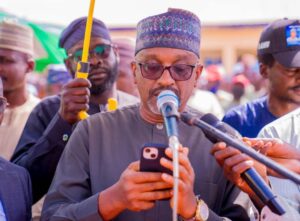
Also speaking, a French Treasury consultant, Dr. Salami, said the project represented a new phase in Katsina State’s energy and economic development and underscored growing cooperation between France and Nigeria. He said the initiative would help reduce energy poverty, create jobs and improve living standards, while drawing on technical expertise from similar projects across West Africa.
A representative of Biodanja, a local project partner, described the mini-hydro plant as a historic development for Danja and Kafur, noting that it would strengthen electricity supply, ease pressure on the national grid and support embedded generation under the Kano Electricity Distribution Company’s framework.
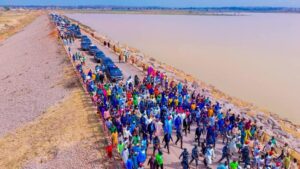
The representative added that the project’s pumped-hydro design would ensure more stable power supply during both wet and dry seasons, benefiting industrial users, agro-processing facilities and small businesses.
Dignitaries at the ceremony included the member representing Kafur/Danja Federal Constituency, Hon. Muhammed Aminu Ibrahim; the chairmen of Kafur and Danja local governments; the General Manager of the Katsina State Rural Electrification Board, Engr. Abubakar Matazu; the Chairman of Gwagware Foundation, Yusuf Ali Musawa; members of the Katsina State Executive Council; and other government officials.