

- By Sulaiman Ciroma
The Katsina State Government has begun preparations to adapt to sweeping changes in Hajj operations following Saudi Arabia’s introduction of a new policy framework that will gradually shift pilgrim services from a government-to-government (G2G) arrangement to a business-to-business (B2B) model.
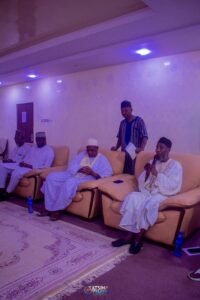
The development was disclosed during a high-level meeting at the Katsina State Secretariat, where a delegation of the National Hajj Commission of Nigeria (NAHCON), representing the commission’s Northwest Coordinator, Ambassador Ismail Abu Yusuf, briefed state officials on the emerging policy direction.
Under the new arrangement, licensed private tour operators are expected to assume a greater role in providing logistics and other services to pilgrims, while governments will increasingly concentrate on regulation, supervision and coordination.
The NAHCON delegation described the development as a major transformation in the administration of Hajj, noting that Saudi authorities had initially proposed transferring almost all of Nigeria’s Hajj quota to the B2B system.
However, following negotiations with Nigerian officials, the transition was moderated, with 30 per cent of Nigeria’s pilgrim allocation expected to operate under the new arrangement during the first phase.
The delegation said the proportion could increase in subsequent years as Saudi Arabia expands implementation of the new policy.
The officials also warned that the transition could have financial implications for pilgrims, potentially resulting in higher Hajj costs because of changes in service arrangements and charges.
They stressed the need for governments and other stakeholders to collaborate in mitigating the impact of any increases and ensuring that Hajj remains accessible to ordinary Nigerians.
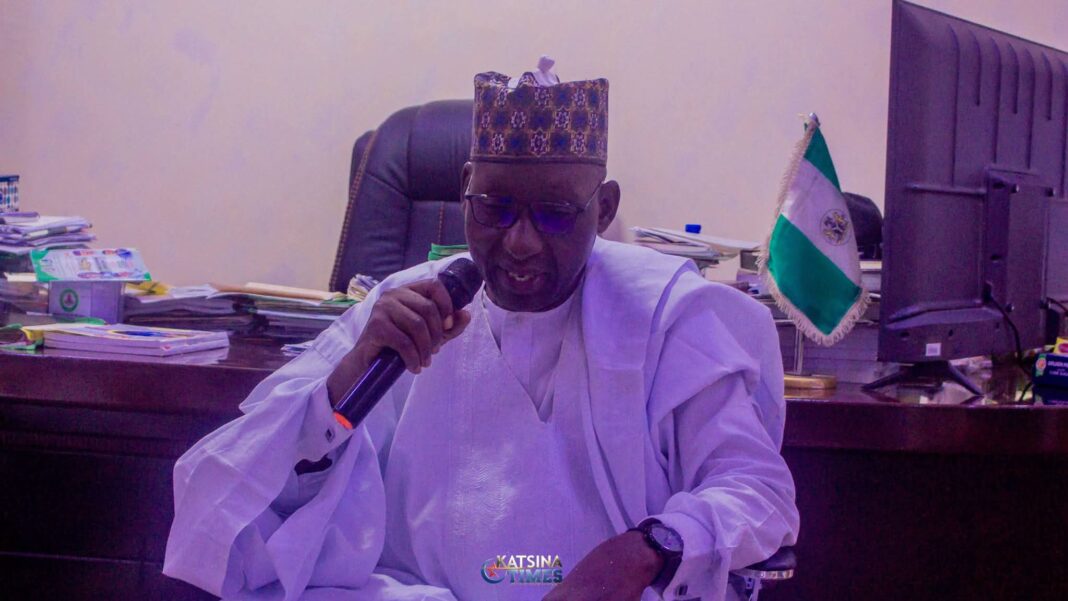
Representing the Katsina State Government, the Secretary to the State Government, Alhaji Rufa’i Safana, assured the NAHCON delegation of the state’s readiness to align with the new framework and support measures aimed at ensuring a smooth pilgrimage.
Safana stressed the need for extensive public enlightenment to enable intending pilgrims to understand the new requirements, procedures and timelines associated with the changing Hajj system.
He particularly emphasized compliance with critical deadlines for visa processing, health screening and other requirements, warning that delays could disrupt preparations for future pilgrimages.
The SSG also pledged to strengthen collaboration among the state government, NAHCON and the Katsina State Pilgrims Welfare Board to ensure effective implementation of the new guidelines.
He said the government would accelerate its internal processes, synchronize preparations with Saudi Arabian timelines and promptly refer major policy issues to Governor Dikko Umaru Radda for necessary decisions.
During the meeting, NAHCON formally presented a communication to the state government outlining the policy changes and areas requiring immediate attention.
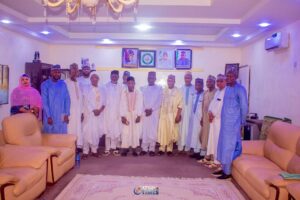
Participants also identified the need for a coordinated implementation strategy involving the Pilgrims Welfare Board, health authorities, immigration and visa officials, communication experts and licensed tour operators.
They agreed that early preparation, effective public enlightenment and sustained coordination would be critical to managing the transition and protecting the interests of intending pilgrims.
The policy shift represents one of the most significant changes to Hajj administration in recent years and is expected to reshape how Nigerian pilgrims access services, make travel arrangements and undertake the pilgrimage to Saudi Arabia.